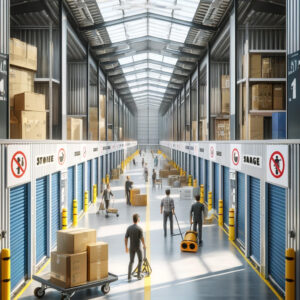
The Trash Compactor Is Jammed. Lock Down the Area Before Anyone Reaches In
A next-shift response for controlling a jammed self-storage trash compactor without turning a facility problem into a machine-entry or unexpected-startup hazard.


A next-shift response for controlling a jammed self-storage trash compactor without turning a facility problem into a machine-entry or unexpected-startup hazard.

A wet, sagging ceiling panel is an overhead condition, a customer-route problem and an evidence problem. Clear the route, classify the source and reopen only after six documented gates.

A damaged fence can become a people hazard, an access exception and an uncertain work zone at the same time. Separate the observations, temporary controls, repair release and operating readback.
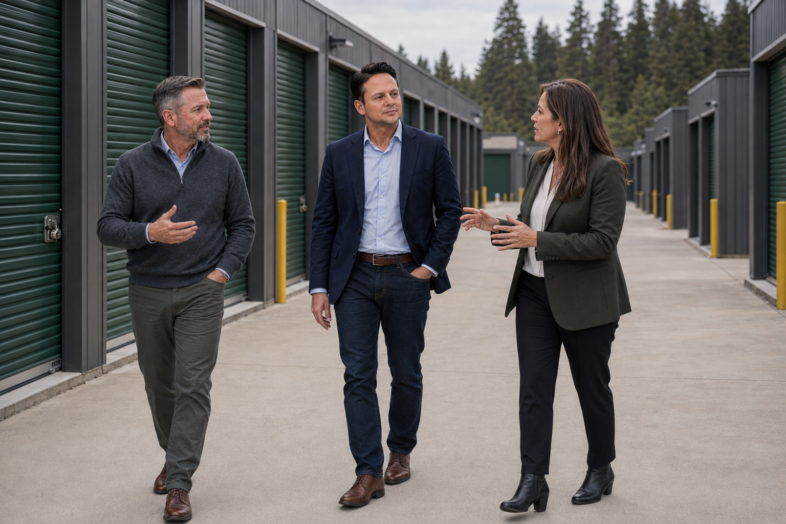
A practical self-storage operator protocol for controlling an extension cord across a customer route, preserving the reason it exists, and reopening only after both the path and the power need have an acceptable state.

A wedge under a fire door is not a harmless shortcut. Confirm what the door is, stop the activity holding it open, protect the route, and separate a simple obstruction correction from any repair or return-to-service decision.
For faster login or register use your social account.
[fbl_login_button redirect="" hide_if_logged="" size="large" type="continue_with" show_face="true"]